
Briefing Room
- Look Within Education -
Explore how aN intentional operations layer can strengthen your ideas, work, and community
How to approach this page:
Below are examples of a few ways this system could support your vision — based on how I understand what you’re building today.
Think of these as examples, not recommendations. Some of it may resonate. Some of it may not. Both are useful.
If you want to explore different directions, ask questions, learn about other features that might support your vision, or even to help clarify or refine an idea, you can start a guided conversation anywhere on the page. It’s designed to help connect your ideas with practical options — or simply clarify what you want next.
A simple way to view it
This page isn’t a how-to or a playbook. It’s a space for noticing patterns and possibilities. The examples below are a few of many ways support can take shape around ongoing work, relationships, and participation over time.
Following the examples is a high-level overview of other available options. These can also be explored in the conversation space
If it helps to get started
You can ask the conversation space anything. If it's useful, here are a few ways to get the conversation started:
– How do people typically find and connect with work like mine, and what kinds of support tend to help that feel more natural over time?
– What are some ways conversations and follow-ups can stay visible without needing constant attention?
– How might someone organize relationships, messages, and shared materials in a way that feels calm and sustainable?
– What approaches support ongoing community without turning it into something performative or time-heavy?
– Based on what you know about my work, which areas might be worth exploring — and which might not be a good fit?
A Connected Foundation / Continuity & Flow
A connected foundation that makes it easy to organize relationships and act with intention — so the right people are reached at the right time, without friction or guesswork.
Clear Relationships, At a Glance
See who’s who, how they’re connected to your work, and what context matters - all in one place

Relationships are clear and organized
A Shared Home for People and Conversations
Messages, notes, history, and participation live together — so context is never lost, even over time
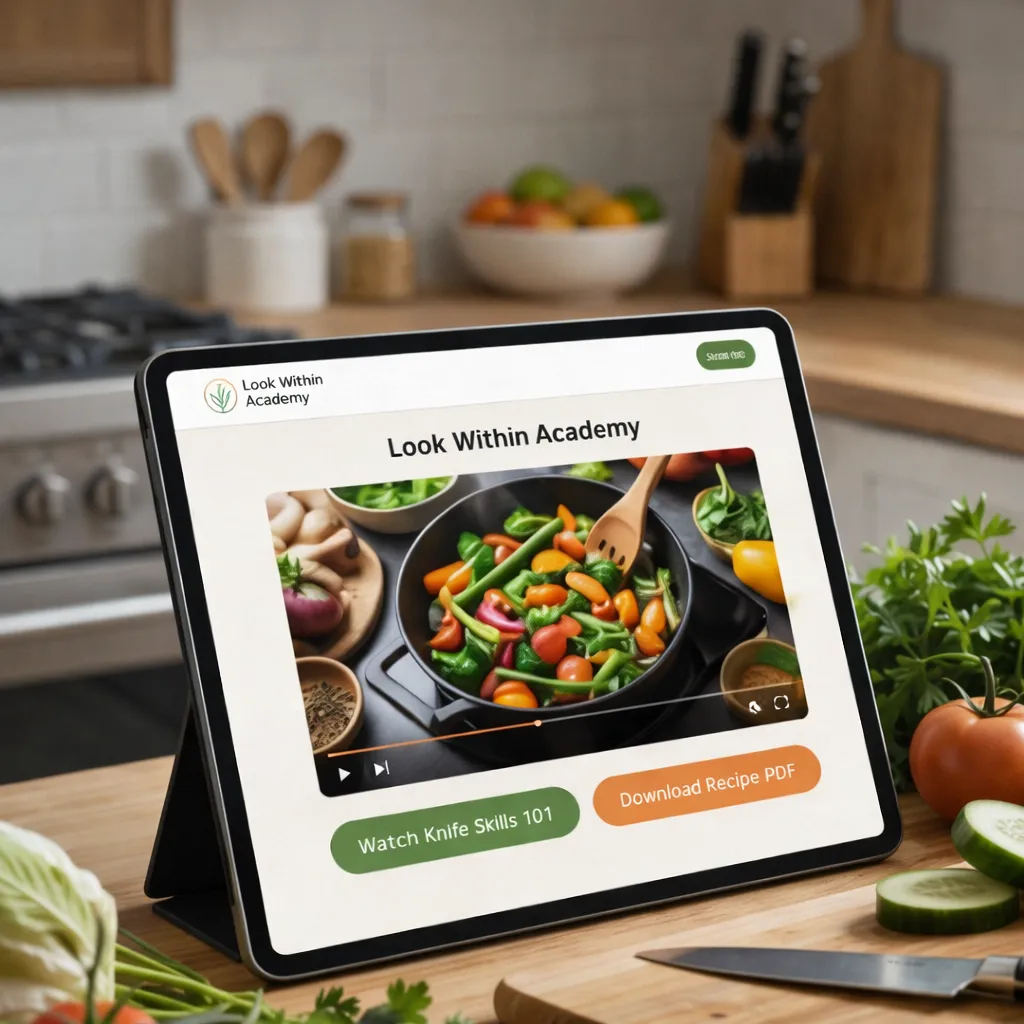
Returning feels easy, familiar, and uninterrupted
Easy Ways to Reach the Right People
Send the right message, resource, or invitation to the right group — without sorting lists or second-guessing
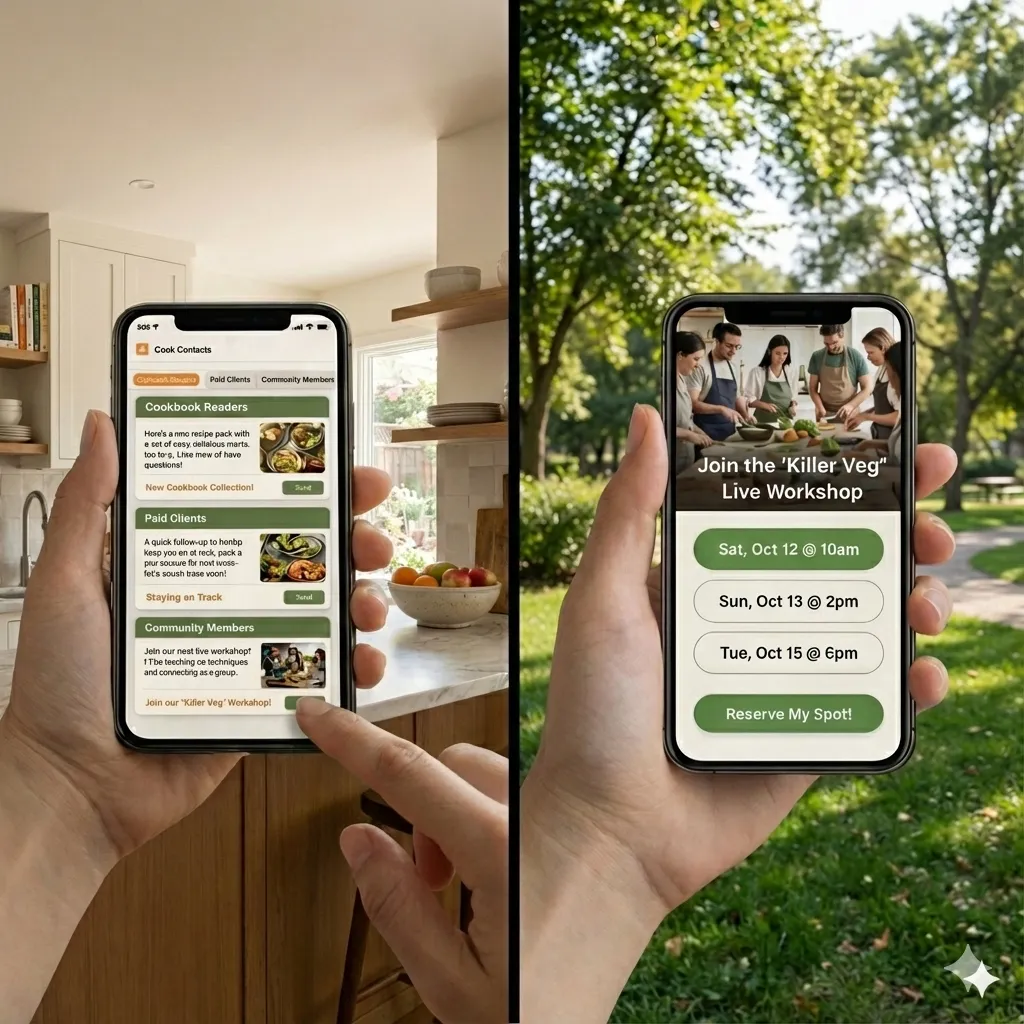
Invitations feel personal, timely, and easy to resond to
Example focus area 1
Unified Inbox
A single inbox that brings together messages from many places , making it easier to stay present, consistent, and responsive.






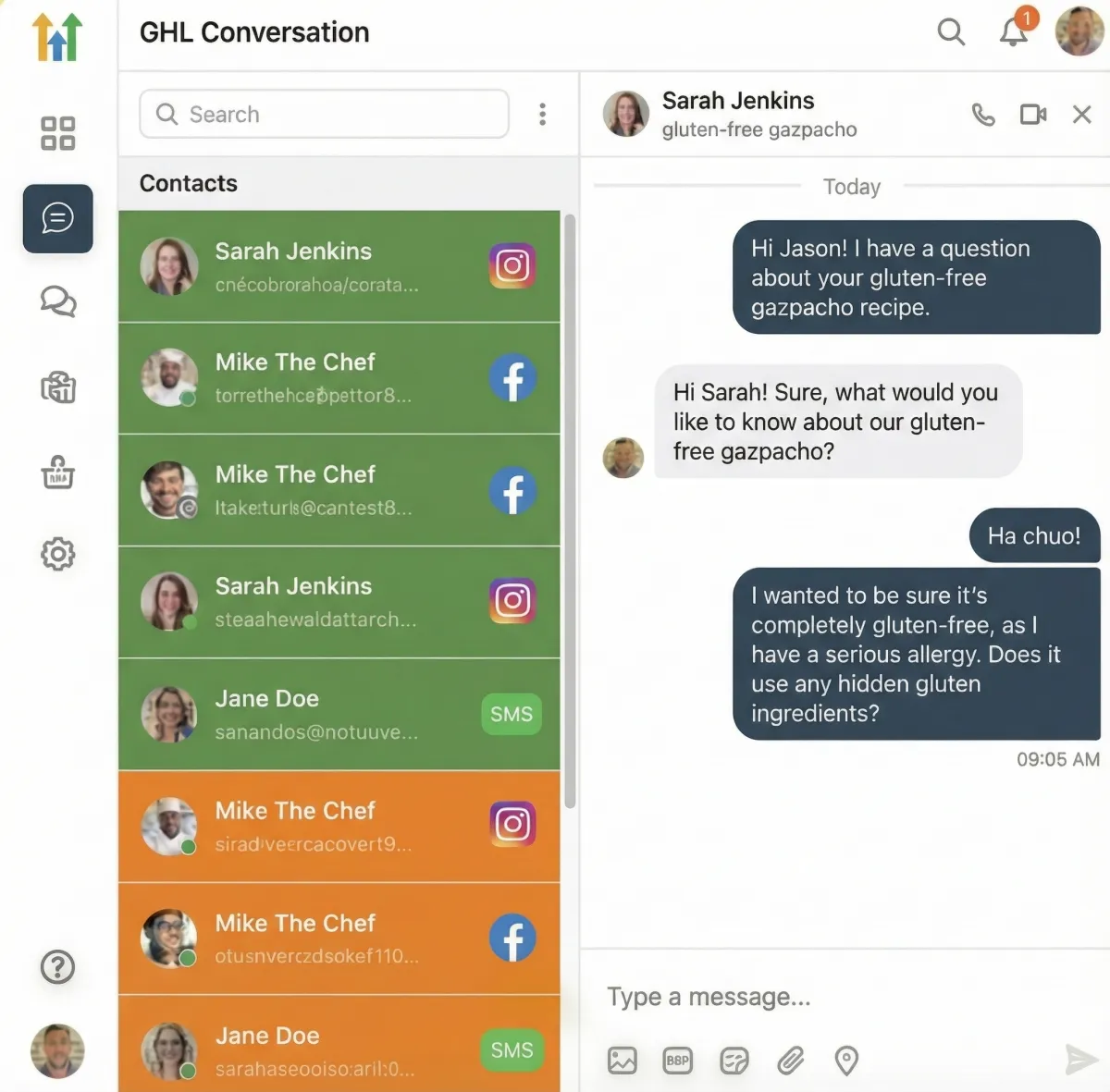
A shared home for conversations
People reach out across email, text, and social platforms, often using whichever feels easiest to them.
When conversations are spread across many places, it becomes easier for messages to be delayed or overlooked — even with good intentions
Imagine one screen where every conversation is visible and personal context is kept.
Email, text, and social messages together
Context stays with the conversation
Everyone receives the same attention
Explorering Unified Inbox
Ask anythign that comes to mind. An example topic might be to explore how conversations currently show up in your work and what makes them easier - or harder - to stay present over time and whether a unified inbox makes sense for you.
Example Focus Area 2
Community
Beyond individual lessons or classes, a shared space helps learning continue—giving people a place to return, reflect, and stay connected over time
A shared space for ongoing connection
The shape of this space can evolve over time, guided by what’s supportive, meaningful, and genuinely useful.
People can return to revisit lessons or recipes, share ideas and encouragement, and stay connected in ways that feel right for the community.
Examples of what this space may hold:
Shared reflections, stories, and lived experiences
Collections of replays, resources, and recipes
Simple ways for people to share progress, celebrate milestones, and draw motivation from seeing what others are working toward
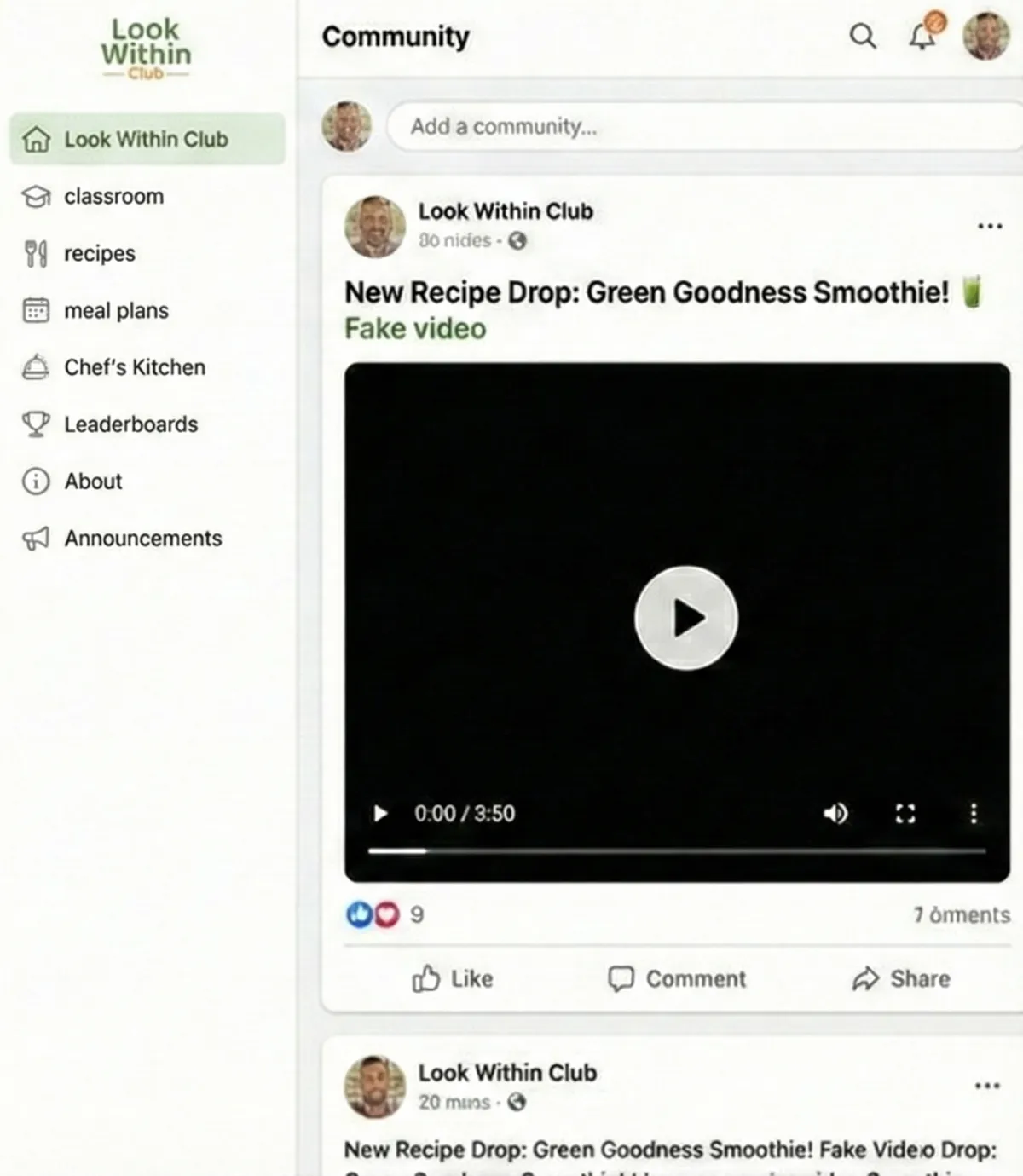
Exploring Community
If this resonates, you might explore what kind of shared space — if any — feels supportive for your work and the people around it. If useful, you could ask:
– What kinds of connection tend to deepen learning or reflection over time?
– How do communities like this stay meaningful without needing constant facilitation?
– What feels like healthy participation versus something that would feel like too much?
– Are there lighter-weight ways people might return, reflect, or stay connected between sessions or offerings?
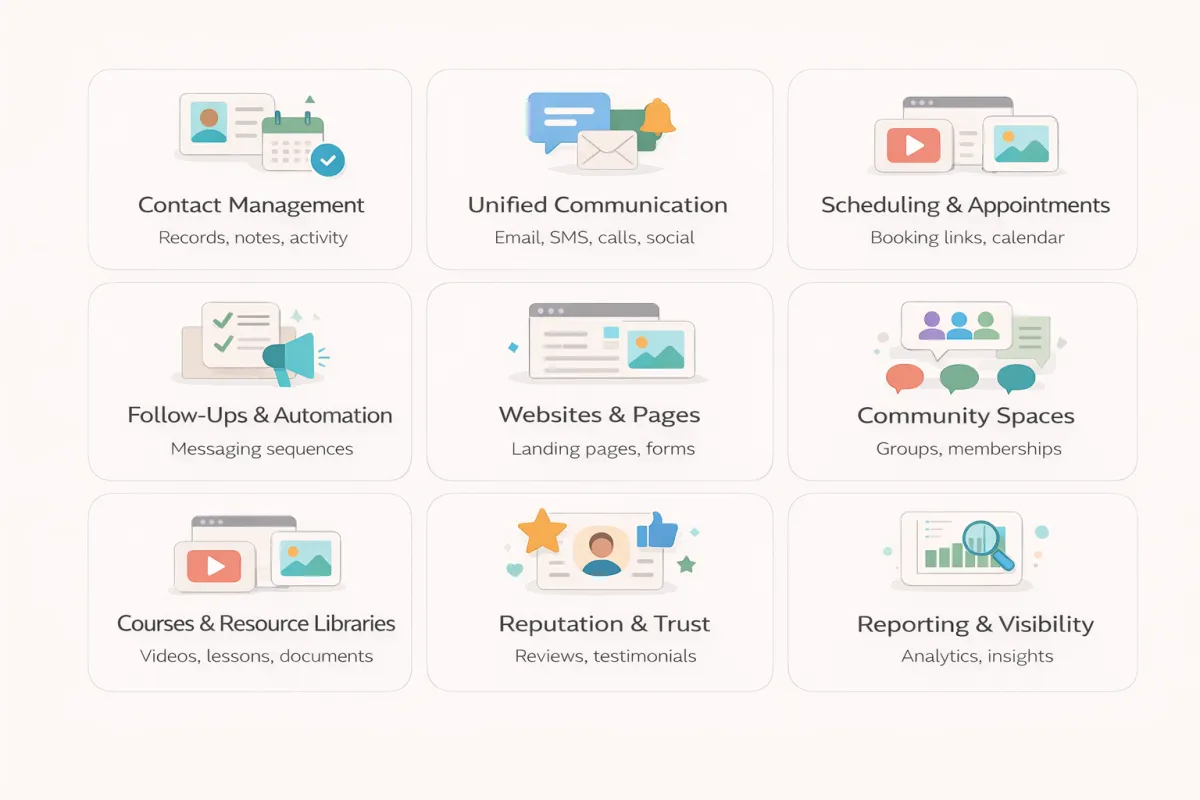
A Broader View of What's Possible
Here are a few areas of support that may be worth noticing. If something sparks curiosity, the conversation space is available to explore questions or dig a little deeper
If you'd like to keep exploring, this space remains open.
You can revisit and start a conversation from here anytime
© Look Within Education · HighLevel Briefing Room